Check Out Leading Tax Group Featured On Major News Outlets As Top Tax Experts!
Have A Local Tax Expert Provide You With A Free Consultation Today!

    Facing a CDTFA Audit, Notice, or Sales/Use Tax Issue?

    Expert Help for Grocery Stores, Supermarkets, and Small Format Retailers
    Book Your Free Consultation and Protect Your Margins
    Why Grocers & Convenience Stores Are CDTFA Audit Priorities

    California’s grocery sector—with over 58,000 stores nationwide, including thousands in California—generated more than $920.3 billion in U.S. grocery sales in 2025. Despite razor-thin net profit margins averaging 1.7%, grocers remain a major focus of CDTFA audits, driven by frequent changes in exempt/taxable food, hot food sales, SNAP transactions, and the rise of delivery and online ordering.

    Convenience stores face additional risks: mixed taxable and non-taxable inventory, alcohol and tobacco sales, lottery, fuel, and hot-prepared food offerings, each with separate CDTFA rules.

    Free CDTFA Audit Risk Review for Grocery & Convenience Businesses

    We analyze your store’s sales and purchase records, audit exposure, and CDTFA’s latest enforcement focus. Get a strategic defense—no cost, totally confidential.

    Claim Your Free Consultation

    Don’t Let CDTFA Drain Your Profits

    If you received a notice, letter, or audit request from CDTFA – or even if you just want to protect yourself – time is critical.
    • Contact Us For A Consultation
    • Immediate Protection From Accruing Penalties: Let Our Experts Defend You
    • Attain Status of Compliance
    • Reduce Liability
    Contact Us

    Key CDTFA Sales & Use Tax Rules for Grocers and Convenience Stores

    • Basic groceries (fresh fruits, vegetables, bread, milk, pre-packaged cold food, etc.) are generally sales tax exempt in California.
    • Prepared foods, hot food or drink, fountain beverages, smoothies, sandwiches, meals, and food consumed on premises are taxable at state-wide and local rates—even when sold to go.
    • Alcohol, tobacco, lottery tickets, non-food items, and “hot prepared food products” are always subject to sales tax.
    • Combination packages with hot items and cold pre-packaged food are taxable if sold together.
    • CalFresh (SNAP) purchases are exempt, but grocers must keep detailed records to substantiate exemption claims if audited.
    • Purchase-ratio method: Grocers may use a CDTFA-approved formula (“grocer’s formula”) to calculate the portion of exempt food sales, using the proportion of purchases vs. total sales receipts—requires complete, segregated records and careful bookkeeping.
    • Special exemptions: Beginning April 1, 2024, through March 2029, select breast pumps and related supplies are exempt from sales tax.
    • Seller’s permit: Required for all businesses selling taxable goods (hot food, alcohol, cigars, etc.).
    • E-commerce and delivery sales: All prepared food sales for delivery are taxable; online-only retailers must register and collect sales tax based on customer location.

    What Happens in a CDTFA Audit?

    CDTFA audits focus on:

    • Reviewing exemption claims, especially SNAP/CalFresh transactions.
    • Verifying segregation of taxable vs. exempt sales (hot food, alcohol, tobacco, snacks, candy, cold food, gift items).
    • Reconciling POS receipts, purchase invoices, and bank deposits against returns filed.
    • Applying the purchase-ratio formula, audits, and checking for record accuracy and proper segregation by category.
    • Auditing convenience stores for common pitfalls—improper exemption claims, lump-sum food/alcohol sales, and insufficient records for combination packages.

    Missing, incomplete, or improperly segregated records can lead to substantial back taxes, penalties, and multi-year lookbacks. The CDTFA will also audit delivery and online orders, focusing on hot-prepared food sales.

    Market Trends and Facts for 2025

    • U.S. online grocery sales hit a record $12.5 billion in September 2025—a 31% YoY increase.
    • Foot traffic and visits per grocery/convenience store continue to rise despite economic pressures.
    • California statewide/local sales tax rates now range from 7.25% to 10.25% depending on city or county.
    • California continues to add targeted exemptions (like breast pumps through March 2029), requiring stores to keep up with rapid changes.

    Why Grocers & Convenience Stores Choose Leading Tax Group?

    ✅ Specialists in CDTFA sales tax law, audits, recordkeeping, and exemption calculations for high-volume retailers.
    ✅ Proven defense strategies against back taxes, combination package disputes, and CalFresh/SNAP exemption audits.
    ✅ Representation for multi-year audits, retail chains, independents, urban and rural convenience stores.
    ✅ Experience fixing recordkeeping issues, POS reconciliation, and e-commerce/delivery compliance.
    Contact Us

    Frequently Asked Questions

    Are all grocery sales exempt from California sales tax?

    No. Most basic groceries are exempt, but hot-prepared food, meals, alcohol, tobacco, and certain snacks are subject to sales tax. Combination deals may trigger full taxation.

    Can CDTFA audit my store for CalFresh/SNAP exemptions?

    Yes. You must keep detailed records of program transactions used to claim exemptions.

    Do I need a seller’s permit if I only sell groceries?

    Yes, if you sell any taxable items (hot food, alcohol, tobacco, gift items, lottery, etc.), you need a seller’s permit.

    How do I use the grocer’s formula/purchase-ratio method?

    Maintain complete records, segregating taxable and exempt purchases/sales. CDTFA requires you to prove exemptions by audit—missing records mean higher back taxes.

    Do online/delivery food sales change the rules?

    Prepared food delivered is taxable—the same rules apply as in-store. E-commerce grocers must collect tax based on customer location and item type.
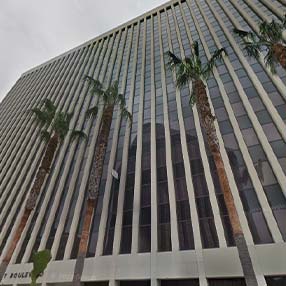
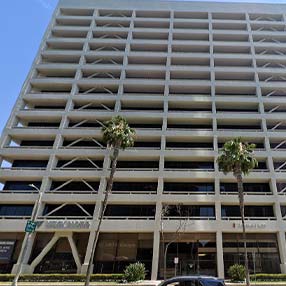
    LOCAL LOCATIONS FOR YOUR CONVENIENCE

    Headquartered in Encino, California with multiple local branch offices in your backyard to serve you at your convenience. Leading Tax Group can schedule a face to face consultation to represent your case with the IRS, FTB, EDD, as well as CDTFA Audits.

    Los Angeles

    Sherman Oaks

    Santa Monica

    Palm Springs

    Sacramento

    Newport Beach, CA

    San Rafael

    San Francisco

    Orange County

    Century City

    San Diego (Mission Valley)

    Westlake Village

    Beverly Hills

    Marina Del Rey

    CONTACT DETAILS

    Contact one of our professionals today at

    Contact Us